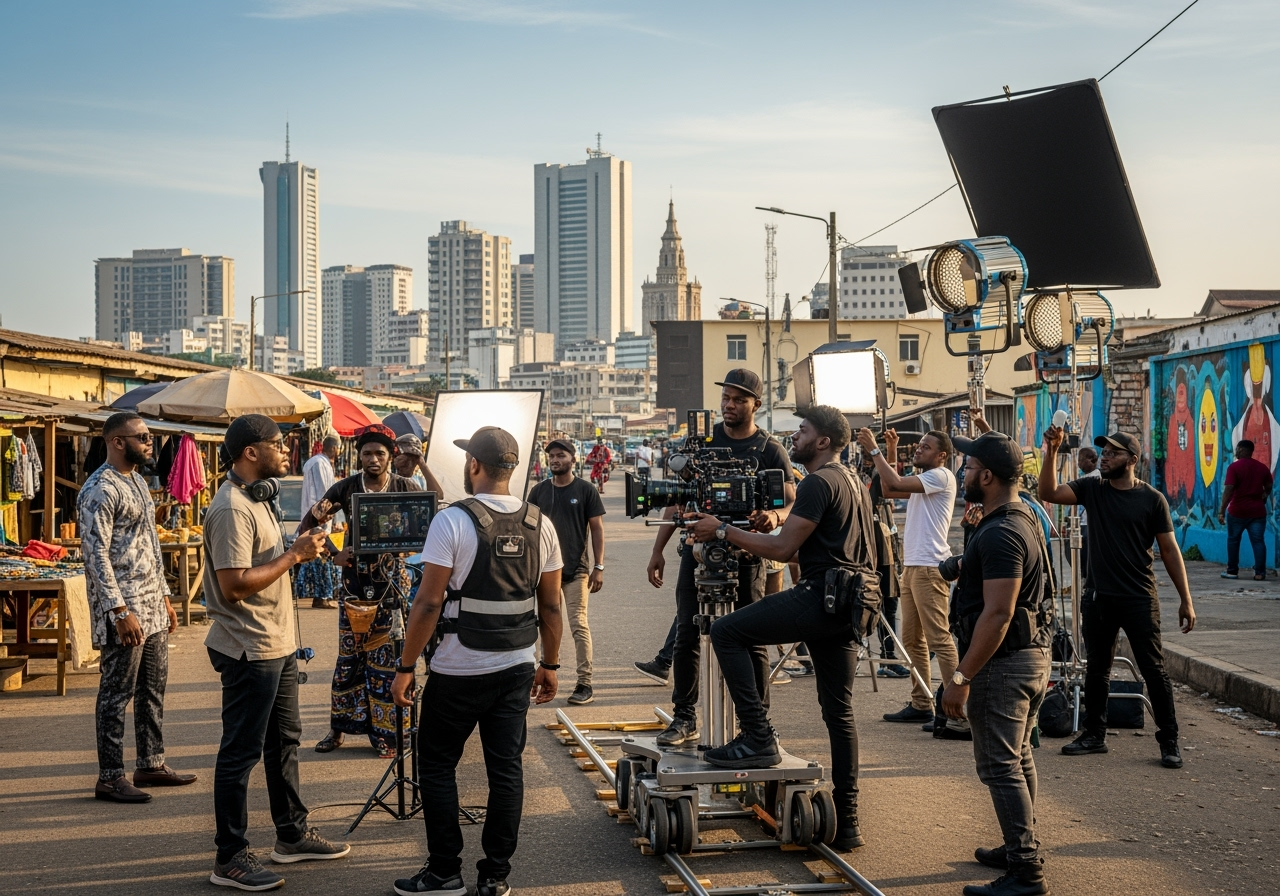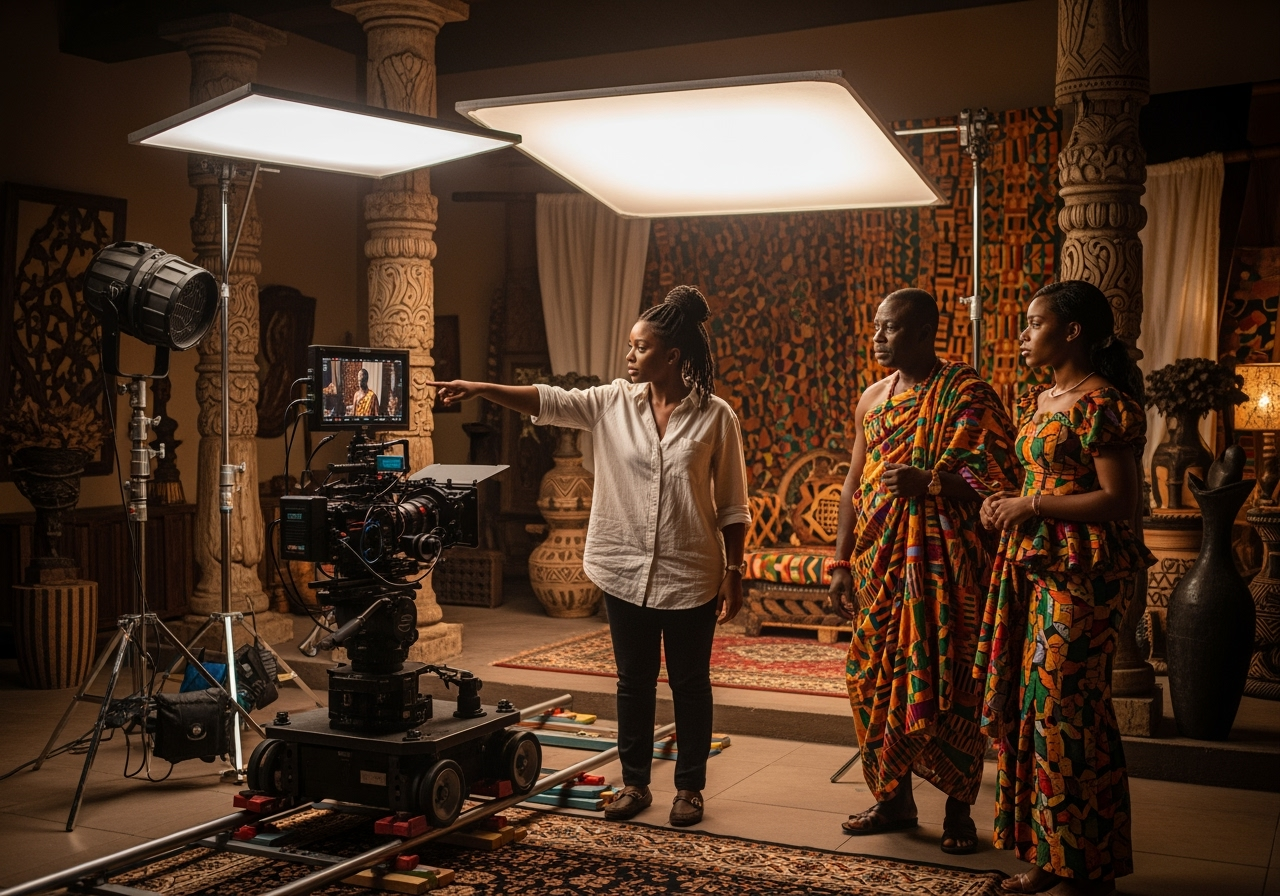
While Nigeria's Nollywood churns out over 2,500 films annually, generating billions in revenue and dominating African screens, Ghana finds itself at a crossroads. The question isn't whether Ghana can match Nigeria's volume—it's whether Ghana should even try.
The answer, according to the Black Star Experience initiative, is a resounding no. Ghana is charting a different path entirely.
Nigeria's Nollywood success story is undeniable. With significant GDP contribution and global recognition, Nigerian films have become synonymous with African cinema. But this dominance has created an interesting challenge for other African nations: compete on Nigeria's terms, or forge a unique identity.
Ghana has chosen the latter.
"We're not trying to out-Nollywood Nigeria," explains a senior BSE strategist. "We're creating something entirely different—a cinema culture that prioritizes authentic Ghanaian narratives and international production values over rapid-fire content creation."
This strategic positioning reflects a deeper understanding of Ghana's competitive advantages and cultural assets.
Ghana's cinematic identity draws from distinct cultural wells that Nigeria simply cannot replicate. The country's colonial history, Akan traditions, and modern Pan-African identity create storytelling opportunities that are uniquely Ghanaian.
Historical Depth: Ghana's role as the first African nation to gain independence provides rich material for period pieces and contemporary stories about African leadership and sovereignty.
Cultural Complexity: The interplay between traditional Akan culture and modern Ghanaian society offers nuanced storytelling possibilities that go beyond more commercially-driven narratives.
Visual Aesthetics: Ghana's landscapes, from pristine beaches to ancient forests and modern Accra, provide diverse backdrops that can represent various African settings for international productions.
While Nollywood focuses on mass market appeal, Ghana is positioning itself for international festival recognition. This strategy is already showing promising results.
Ghanaian films are increasingly gaining recognition at international film festivals—recognition that demonstrates the country's commitment to quality storytelling that resonates with global audiences.
"We're building a reputation for quality over quantity," notes a prominent Ghanaian filmmaker. "When international distributors think of African art films, we want them to think of Ghana first."
This approach aligns with Ghana's broader cultural capital strategy, positioning the country as a curator of premium African content rather than a mass producer.
Ghana's film strategy emphasizes international production standards from the ground up. This includes:
Technical Excellence: Investment in high-end equipment, professional sound stages, and post-production facilities that meet global standards.
Skills Development: Training programs that prepare Ghanaian crews to work seamlessly with international productions, creating a skilled workforce that can command competitive rates.
Story Development: Focus on script development and pre-production planning that results in more polished final products.
The Black Star Experience provides Ghanaian filmmakers with something unique: a comprehensive ecosystem for global distribution.
Sutudu Platform: Ghana's upcoming content licensing platform addresses a critical gap in African film distribution. While many films struggle with international licensing and distribution, Sutudu is designed to solve this problem from day one.
Government Support: The 20% production rebate, combined with streamlined permitting processes, gives Ghana a structural advantage in attracting international co-productions.
Cultural Integration: BSE's multi-pillar approach means films can be integrated with music, fashion, culinary, and tourism initiatives, creating cross-promotional opportunities that amplify each project's impact.
Ghana is actively pursuing co-production opportunities with major film markets, creating opportunities for Ghanaian stories to be told with international budgets and distribution networks.
These developing partnerships provide Ghanaian filmmakers access to:
While some commercial film industries have been criticized for formulaic storytelling driven purely by commercial considerations, Ghana is positioning itself as the home of authentic African narratives.
This authenticity extends beyond just storytelling to include:
Cultural Consultation: Ensuring films accurately represent Ghanaian and broader African cultures
Community Involvement: Engaging local communities in film production to ensure authentic representation
Historical Accuracy: Commitment to researching and accurately portraying African history and traditions
Ghana's quality-focused approach is designed to generate economic impact beyond traditional box office revenues:
Tourism Integration: Films that showcase Ghana's beauty and culture drive tourism interest
Cultural Export: High-quality films serve as cultural ambassadors, improving Ghana's global image
Skills Economy: Focus on technical excellence creates exportable skills that benefit other industries
Brand Value: Association with quality content improves Ghana's overall brand value
Ghana's strategy isn't without challenges. Lower production volumes mean:
However, these challenges also create opportunities:
Ghana's 2027 vision includes being recognized as Africa's premier destination for high-quality film production. This means:
Significant International Production Activity with Ghana as a preferred filming location
Global Festival Recognition with Ghanaian films regularly featured at major international festivals
Sutudu Platform Success providing African filmmakers with unprecedented global distribution access
Skills Export with Ghanaian film professionals working on productions worldwide
Ghana's cinema renaissance isn't about competing with Nollywood—it's about creating "New Wood," a movement that prioritizes cultural authenticity, international production values, and global distribution.
This approach reflects Ghana's broader cultural capital strategy: not trying to be the biggest, but being the best at what makes Ghana uniquely valuable.
As international audiences increasingly seek authentic, diverse content, Ghana's quality-focused approach positions the country to capture significant value from the global film market.
The question isn't whether Ghana can out-produce Nigeria. The question is whether the world is ready for Ghana's unique cinematic voice—and early indicators suggest the answer is a resounding yes.
For more information about Ghana's film initiatives and the Black Star Experience, contact info@blackstarexperience.org